
Fedrigoni
 
SEARCH WEBSITE
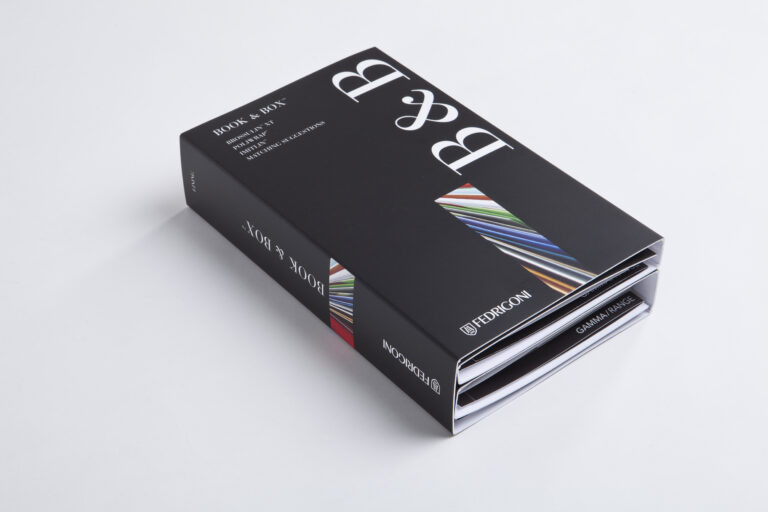
Book & Box - Lining & bookbinding papers
Century - Stationery papers and envelopes
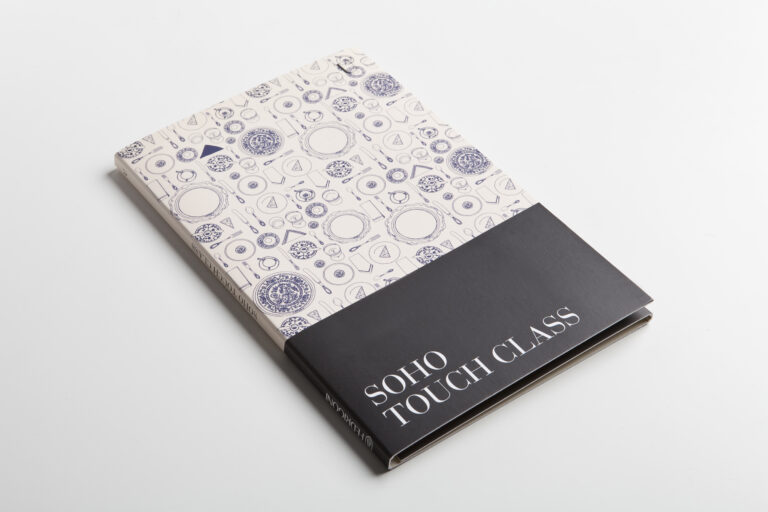
Century Soho - Digital printing papers
Constellation
Constellation - Embossed (Uncoated & Pearlescent) papers
Corolla - Laid papers
Freelife - Recycled papers
Hi Kard - High-strength Special boards
Ispira - Uncoated papers, with a velvet surface
Limited Edition Swatches
Marcate - Felt-marked papers
Materica
Pergamenate - Transulcent & Parchment papers
Savile Row - Papers with cotton content
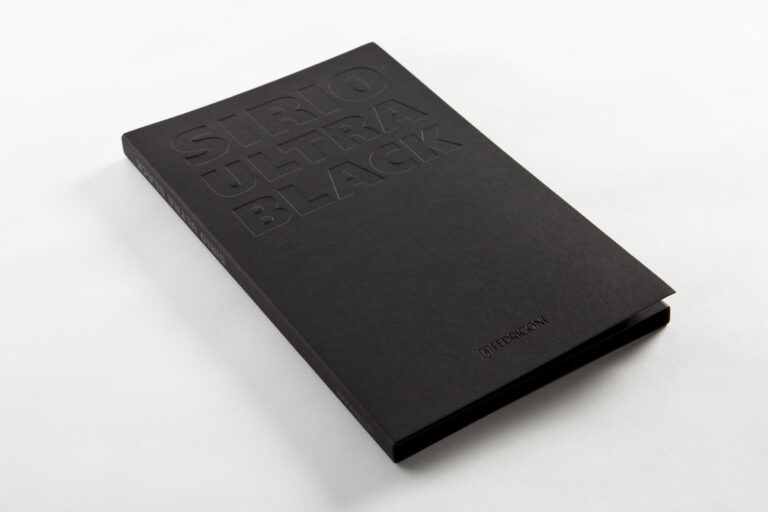
Sirio - Uncoated coloured papers
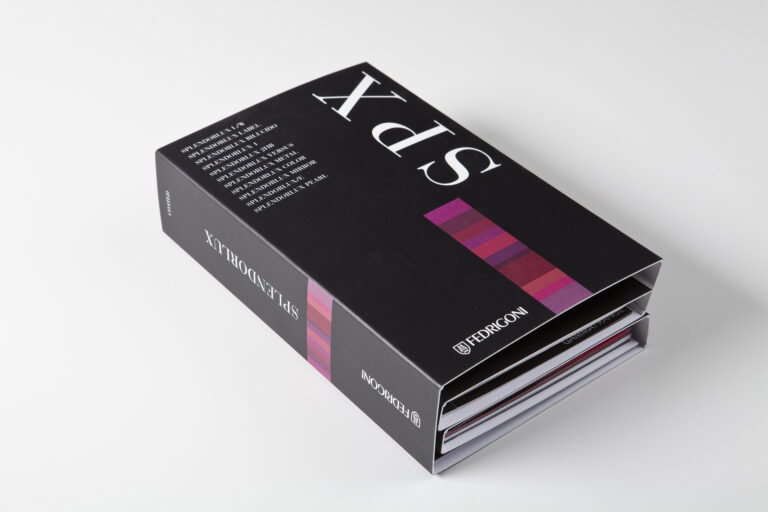
Splendorlux - Cast-coated papers
Stucco - Papers with a lick coating
Symbol - Coated papers
White & Ivory
Woodstock - Recycled, Uncoated Coloured papers
Environment Policies
 

ENVIRONMENT

Fedrigoni never flags in the attention it pays to sustainability and respect for the environment: that attention starts with its raw materials, which it sources exclusively from suppliers who practice responsible environmental policies, and its production facilities, whose energy comes from cogeneration plants, and continues right through to the finished product and distribution.

The Group has dedicated many years to expanding its range of papers bearing FSC® Chain of Custody certification. By 2010, the company had achieved a percentage of no less than 85%.

The FSC (Forest Stewardship Council®) is an international non-governmental organisation, founded by a group of environmental associations, indigenous communities and forest owners, with the common aim of improving forestry management by practising environmentally compatible and socially and economically sustainable policies. Established in partnership with Greenpeace, WWF and Friends of the Earth, its principles lead to product certification. To obtain process certification, a producer must guarantee the Chain of Custody (or chain of traceability), which means always being able to identify the forest from which the wood used originally came, at every stage in its use, especially in the many phases that lead to the creation of the finished product destined for the end user.

But even that is not enough: ever concerned to demonstrate its complete commitment to safeguarding the environment, the company already achieved recognition of compliance with the FSC® Controlled Wood principles for the remaining 15%.

What this means is a guarantee that even those products that do not bear the FSC®-CoC use no cellulose made with wood deriving from illegal logging, from forestry areas where the civil or traditional rights of the local populations are trampled on or from any forests whose high values of conservation are threatened by forestry management activities. All and any producers who process wood from areas that have been converted from forests into plantations with an annual type of yield or planted with genetically modified trees are strictly excluded from the company's list of suppliers: this policy, which the company has been pursuing for years, guarantees a very low environmental impact throughout the product's life cycle: from the quality of the air and water, the protection of the soil and the reduction of waste to energy saving, natural resource management, the protection of the ozone layer, environmental safety, biodiversity and sustainable forestry.

FSC® is an international organization and has both an international
www.fsc.org and a UK website www.fsc-uk.org
Fedrigoni now offers over 100 products which are FSC® certified, the attached document will help you to identify which logo to use for each material.

All the ecological certifications held by Fedrigoni papers demonstrate the Group's attention to the environment and to the safety of both the product and the related production process, which takes the form of:

  • acquiring fibrous raw materials from suppliers who practice sustainable forestry management, verified by their holding independent forestry certification and obtained from processes conducted without the use of any chlorine, in particular from cellulose classified as ECF;
  • wherever the product's quality specifications allow, using cellulose fibers of non-forestry origin that come from annual plants, such as cotton, hemp, kenaf, bamboo and linen, or from secondary pre-consumer and post-consumer fibers ;
  • working in pH neutral environments, i.e. acid free conditions, which also comply with the requisites of the Long Life Standard ISO 9706;
  • favouring the increasing use of mineral fillers and biodegradable additives with a natural origin;
  • reducing, if not eliminating, the use of raw materials whose production generates significant environmental impacts;
  • favouring in-house energy generating, both from hydro-electric sources and obtained from fuels and systems with a low environmental impact (co-generation with natural gas)
  • Complying with legislation governing the use of colorants, the elimination of hazardous substances and the presence of heavy metals (lead, cadmium, mercury etc.);
  • Using subsidiary and process chemical substances and preparations that comply with the prescriptions introduced by R.E.A.C.H.Regulation.

Fedrigoni's policy of working consciously to save and filter water in the course of highly specialised production processes demonstrates the company's firm commitment to practising an environmentally sustainable strategy that focuses on reducing water consumption, favouring recirculation within the process, optimising its papermaking processes and doing away with all possible sources of wastage. At the same time as total production increased by 48% in the period from 2002 to 2008, a complex agenda put into practice at several levels reduced fresh water consumption by 39% and the production of residual sludge from water filtering (COD) by 57%.

By introducing energy co-generation plants, Fedrigoni has achieved a significant reduction in its atmospheric carbon dioxide emissions, which puts it perfectly in line with the requirements of the Kyoto Protocol. Fedrigoni already started a combined and simultaneous process of generating electricity and thermal energy in-house as early as 1997, using nothing but methane as fuel and recuperating the heat generated as a by-product of electricity to produce steam and use it in other phases of the production process. In that same period from 2002 to 2008, while total production increased by 48%, energy consumption was cut by 32%, steam by 39% and CO2 by 48%.


Downloads
Download the List Of Certified Products - FSC 2013
Download the Fedrigoni UK FSC Certificate